
What Is the Georgia MLS, and Why Is It the Backbone of Every Home Sale?
If you've ever heard an agent mention "the MLS" and wondered exactly what that meant, you're not alone. The Georgia MLS is one of the most fundamental yet least explained concepts in real estate. At its core, it's a centralized database that agents use to share information about homes for sale with one another. Nearly every listing you see on Zillow, Realtor.com, or Homes.com traces back to some version of an MLS feed. Understanding how it actually works gives you a much clearer picture of the Georgia housing market.
1. What the MLS Actually Is, in Plain Terms
MLS stands for Multiple Listing Service — a shared database that agents and brokerages contribute to and pull from. When a home goes up for sale, the listing agent enters the full details into the MLS: price, bedrooms, square footage, photos, condition, and terms. That data is then syndicated out to a wide range of public websites and shared with other agents in the area. The key thing to understand is that the MLS isn't a single public-facing website — it's the backend system powering the sites you're familiar with. Access to enter and edit listings is restricted to licensed agents and brokers who pay membership dues to the MLS, which is part of why the data tends to be more accurate and standardized than information posted on general classifieds or social media marketplaces. Each listing also follows a standardized set of fields, which is why you can reliably filter homes by bedroom count, square footage, or lot size across different websites even though those sites are built by different companies.
2. How the MLS Works in Georgia Specifically
Georgia has several regional MLS systems rather than one single statewide database, with Georgia MLS (GAMLS) and First Multiple Listing Service (FMLS) being the most prominent, covering metro Atlanta and surrounding areas. Agents are typically members of one or more of these systems depending on where they operate. Because Georgia runs multiple parallel MLS systems, a listing might appear on one system without being perfectly synced on another right away, which explains why you sometimes see small discrepancies between different public websites.
- GAMLS covers a broad footprint across Georgia
- FMLS is heavily concentrated in the Atlanta metro area
- Agents can belong to multiple MLS systems at once
- Data syncs out to public sites on each platform's own schedule
Knowing which MLS system your agent belongs to also tells you whether they have full access to listing data in the specific area you're targeting.
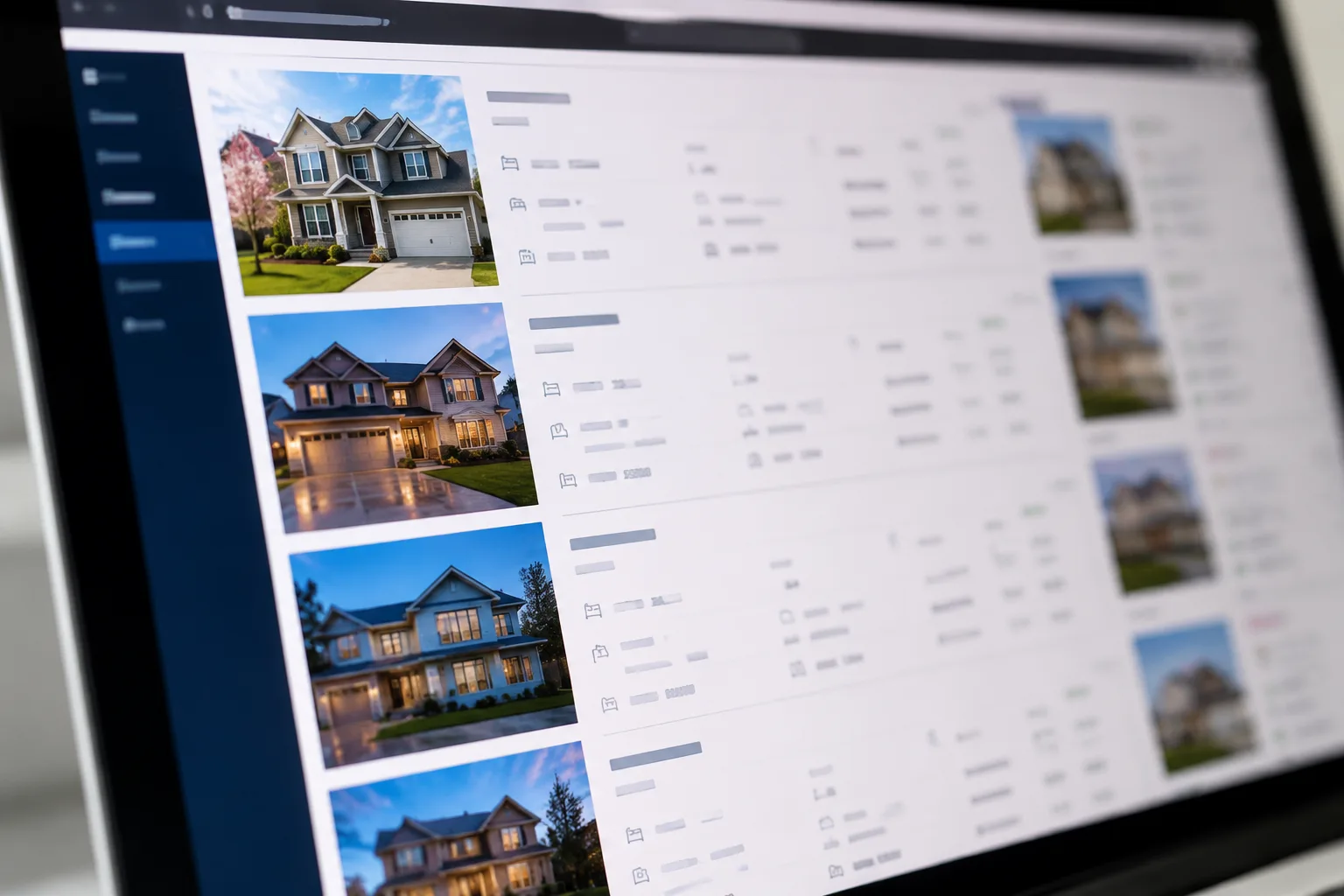
3. Why the MLS Matters for Sellers
For sellers, listing on the MLS is essentially the only way to reach the widest possible pool of buyers, since the information automatically syndicates out to dozens of websites and the entire local agent network. If a home is only marketed privately outside the MLS (sometimes called a "pocket listing"), exposure is significantly limited, which can lead to a lower sale price simply because fewer buyers are competing for it. This is why most agents recommend a full MLS listing rather than relying solely on word of mouth or social media. Beyond exposure, MLS data also feeds directly into the comparable sales records that future agents and appraisers rely on, so a home properly documented on the MLS contributes to more accurate pricing data for the whole neighborhood over time.
4. The Truth About Viewing MLS Listings Yourself
A common misconception is that the MLS is completely closed off to the public. In reality, public aggregator sites like Zillow, Realtor.com, and Homes.com all display data pulled directly or indirectly from the MLS, so buyers can view most basic information themselves without an agent. However, a few key differences remain: public data can lag behind the source MLS by hours or even days, certain internal details (like private agent-only notes) are never made public, and listing status (like "under contract" or "temporarily off market") sometimes displays inaccurately on third-party platforms. So while self-research is entirely possible, having an agent with direct MLS access still means more accurate and timely information. This becomes especially important in a competitive market, where a delay of even a day or two in seeing an updated listing status could mean missing out on a home entirely. It's also worth noting that some homes never make it to public sites at all if they sell within hours of listing, which is another reason working with someone who gets real-time MLS alerts can make a meaningful difference.
5. Expert Insight
Something many buyers don't realize: because public sites aggregate data from multiple Georgia MLS systems, the same home can sometimes show slightly different information across platforms — a price update reflected on one site but not another, or a lagging listing status. When you're seriously house hunting, the most reliable approach is still having an agent with direct MLS access confirm the latest details before you make a decision, rather than relying entirely on a phone app.

6. Frequently Asked Questions
- Is the MLS a website I can access directly?
Not exactly. The MLS is a system built for agents, but its data feeds out to public sites like Zillow and Realtor.com that you can browse. - Does Georgia have a single statewide MLS?
No, Georgia has multiple regional MLS systems, most notably GAMLS and FMLS, each covering different geographic areas of the state. - Why does the price on Zillow sometimes differ from the MLS?
Because third-party sites sync data on their own schedule, which can lag behind the original MLS listing by hours or even days. - Why should sellers list on the MLS instead of just social media?
Because the MLS automatically syndicates listings to numerous websites and the entire local agent network, offering far broader exposure than posting independently. - What does "under contract" status mean on the MLS?
It means the home has an accepted offer and is moving through the closing process, typically no longer open to new offers.
The MLS is the operating system behind nearly the entire Georgia housing market, even though the public usually only sees it through aggregator sites like Zillow or Homes.com. Understanding how it works helps buyers research more accurately and helps sellers recognize why a full MLS listing matters for reaching the widest possible pool of buyers.
Want the most current, accurate MLS information for your target area? Contact Megan Huynh (Georgia Real Estate License #305560) at 404-731-3700 for direct assistance with your search.
Need a comprehensive tailored appraisal of your mortgage options?
Megan Huynh holds active network channels with elite mortgage lenders across Georgia. Get qualified with alternative documents easily.