
Zillow vs. a Local Georgia Realtor: What Each One Actually Does For You
For most Georgia homebuyers, the search starts the same way: scrolling Zillow on the couch after dinner. That habit makes sense—Zillow is free, visually polished, and gives you a sense of control over the process. But plenty of buyers confuse browsing Zillow with actually understanding the market in the area they want to live. The real question isn't Zillow versus a local realtor—it's understanding what each one is genuinely good at, and where each one falls short. This article compares the two fairly, so you know when self-service browsing is enough and when you need someone who actually knows the Georgia market standing next to you.
1. What Zillow Does Well: Fast Browsing and a Big-Picture View
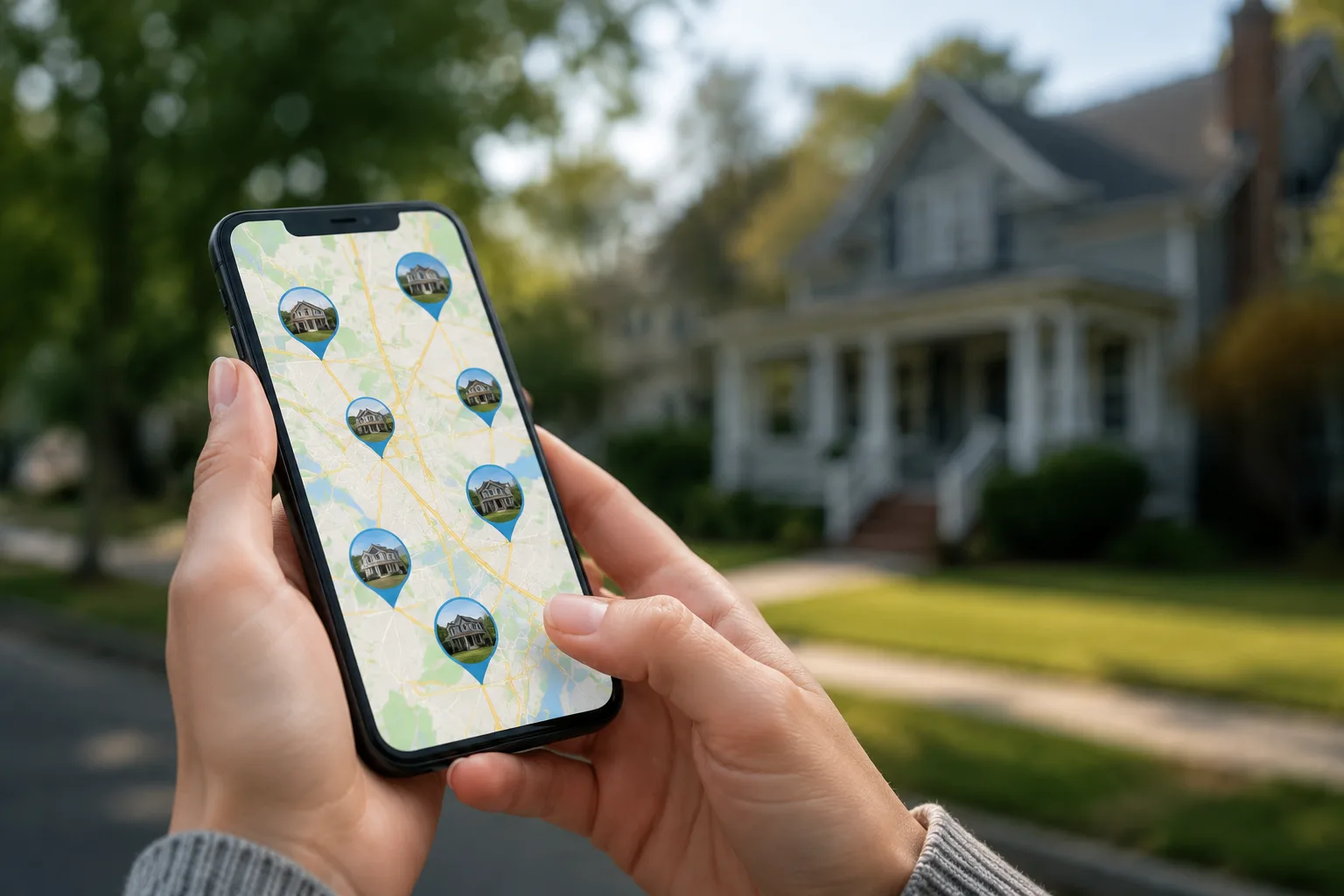
Zillow excels at letting you browse dozens of homes at once, filtering by price, bedrooms, or school zone in seconds. The app packages photos, maps, and price history in a clean, visual way that gives first-time searchers a feel for the market without picking up the phone. For someone in the 'just looking' phase, this is a reasonable starting point—no pressure, no commitment, and the ability to save favorites for later. Zillow is also useful for tracking price movement over time in a specific area, giving you a general sense of whether a market is trending up or down. But a general sense is different from accurate data, and that's where Zillow starts to show its limits as you get closer to an actual buying or selling decision.
2. The Zestimate: Useful for Reference, Not for Pricing
The Zestimate is Zillow's automated price estimate, generated from an algorithm that analyzes public data and market trends. It can be a quick reference point, but Zillow itself acknowledges the Zestimate carries a margin of error and doesn't account for a home's actual condition—recent renovations, interior layout, or hyper-local factors the algorithm simply can't see. A home with a fully renovated kitchen can show a Zestimate lower than its real value, while one needing major repairs might be priced too high. That's why sellers shouldn't use a Zestimate as their listing price, and buyers shouldn't use it to decide what to offer. A comparative market analysis (CMA) from a local realtor, built on actual recent sales in the same neighborhood, is typically far more accurate.
3. Where Local Market Knowledge Actually Matters
Georgia has huge variation between neighborhoods—a home in Duluth can carry a very different value than a similar one just a few miles away in Suwanee or Lawrenceville, due to differences in schools, taxes, zoning, or the pace of local development. Zillow can't explain why one specific street commands a higher price than the block next to it, or which areas have upcoming development that could affect value in the next few years. A realtor who works regularly in an area picks up on these details through hands-on experience—like which pockets have seasonal drainage issues, or which HOA has particularly strict rules. That's the kind of information that doesn't live in any public database and only comes from actually working the market.
- Value differences between neighboring areas
- Upcoming development affecting value
- Neighborhood-specific issues (drainage, HOA, zoning)
4. Negotiation Is Where Zillow Is Completely Absent
Zillow can help you find a home, but it can't negotiate on your behalf. Making an offer involves far more than the sale price—closing timelines, contingencies, repairs to be completed before closing, or how to structure an offer to compete in a market where multiple buyers want the same home. An experienced realtor knows how to read signals from the seller's side, when to stay flexible and when to hold firm, and how to draft an offer that protects you legally. For sellers, negotiation matters just as much—knowing how to respond to multiple offers at once, or when accepting a lower offer in exchange for better terms actually makes sense. This is a skill built through repeated real transactions, not something any app can replicate.
5. How to Use Both, Smartly
The most practical approach isn't ditching Zillow altogether—it's understanding its role. Use Zillow to explore neighborhoods, build a shortlist, and get an initial sense of your budget. Then, once you're seriously ready to make an offer or list your home, work with a local realtor for accurate pricing data, early access to new listings before they're widely seen, and someone negotiating in your corner. Plenty of Georgia buyers run both in parallel—browsing Zillow daily while staying in touch with a realtor for feedback on specific homes they're watching. That combination gets you the speed and convenience of technology alongside the protection and expertise of a person when real money is on the table.
6. Expert Insight
What I see often is buyers arriving with a saved list of homes from Zillow, and that's actually a good starting point—it tells me what they're drawn to. But the real work begins after that: checking whether those homes still fit their actual budget once local taxes and insurance are factored in, pulling recent comparable sales nearby, and sometimes having to say plainly that a home that looks great in photos has an issue you'd only catch in person. With Vietnamese-speaking clients, I also often walk through terminology in inspection reports or contracts that Zillow never translates or interprets. Technology works best as the starting point of a home-buying decision, not the ending point.

7. Frequently Asked Questions
- Is Zillow's Zestimate accurate?
The Zestimate is an algorithm-based estimate that can differ significantly from actual market value, especially for recently renovated homes or areas with limited comparable sales data. It's fine as a quick reference but shouldn't replace a comparative market analysis (CMA) from a local realtor. - Can I buy a home using just Zillow without a realtor?
Technically yes, but you'd be handling negotiation, contract drafting, and inspection coordination without anyone representing your interests. Sellers typically have their own agent, so going without a realtor often means negotiating alone against an experienced professional on the other side. - Does Zillow show every home for sale in Georgia?
Zillow displays most publicly listed homes sourced through MLS data feeds, but there can be update delays or gaps for homes sold privately or shared through an agent network before wider listing. Local realtors typically have more direct, faster access to the latest MLS data. - Why does a home's actual sale price often differ from its Zestimate?
The Zestimate relies on public data and can't assess a home's actual interior condition, recent upgrades, or local buyer competition at the time of sale. The real sale price reflects current market conditions, buyer competition, and specific negotiation between both parties—factors an algorithm can't predict precisely.
Zillow and a local realtor aren't competitors—they serve two different stages of the same journey. Zillow is great for exploring and narrowing options quickly, while a realtor who knows the Georgia market brings pricing accuracy, neighborhood knowledge, and negotiation skill when you actually need to make a decision. Smart buyers and sellers tend to use both, each at the point where it does its best work.
Browsing Zillow and want a real read on a specific Georgia neighborhood? Text or call Megan Huynh at 404-731-3700 for a no-pressure, bilingual conversation.
Need a comprehensive tailored appraisal of your mortgage options?
Megan Huynh holds active network channels with elite mortgage lenders across Georgia. Get qualified with alternative documents easily.